What's the Difference and Why It Matters for Your Brand?
In the world of branded merchandise and sustainable packaging, the words "compostable" and "biodegradable" are often used interchangeably. And while they both sound eco-friendly, there are key differences that can significantly impact your brand's environmental footprint.
Share
In the world of branded merchandise and sustainable packaging, the words “compostable” and “biodegradable” are often used interchangeably. And while they both sound eco-friendly, there are key differences that can significantly impact your brand’s environmental footprint.
At Flourish Marketing, we believe that sustainability isn’t just a buzzword—it’s a responsibility. Whether you’re selecting promotional products, packaging, or fulfilment options, understanding the nuances of eco-terminology ensures you’re making informed choices that truly align with your values.
So, what is the difference?
All compostable products are biodegradable, but not all biodegradable products are compostable. The difference lies in how they break down and what they leave behind.
Compostable Products
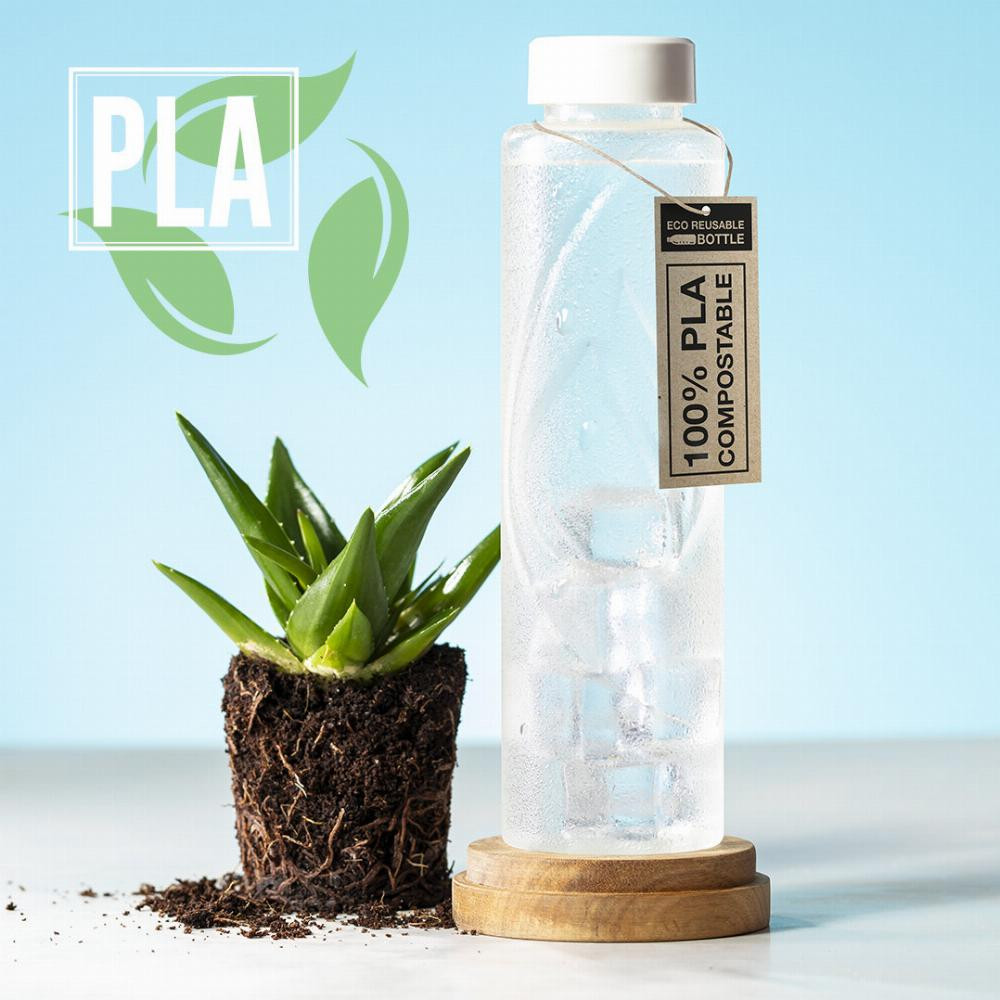
Compostable items are made from organic plant materials like corn starch, sugarcane, or potato starch. When disposed of correctly, they break down into water, carbon dioxide, and nutrient-rich biomass that returns safely to the earth.
End result: Non-toxic compost that enriches the soil.
Breakdown process: Requires heat, moisture, and oxygen, typically in a commercial composting facility.
Timeframe: Breaks down completely within 90-180 days under the right conditions.
Common examples include:
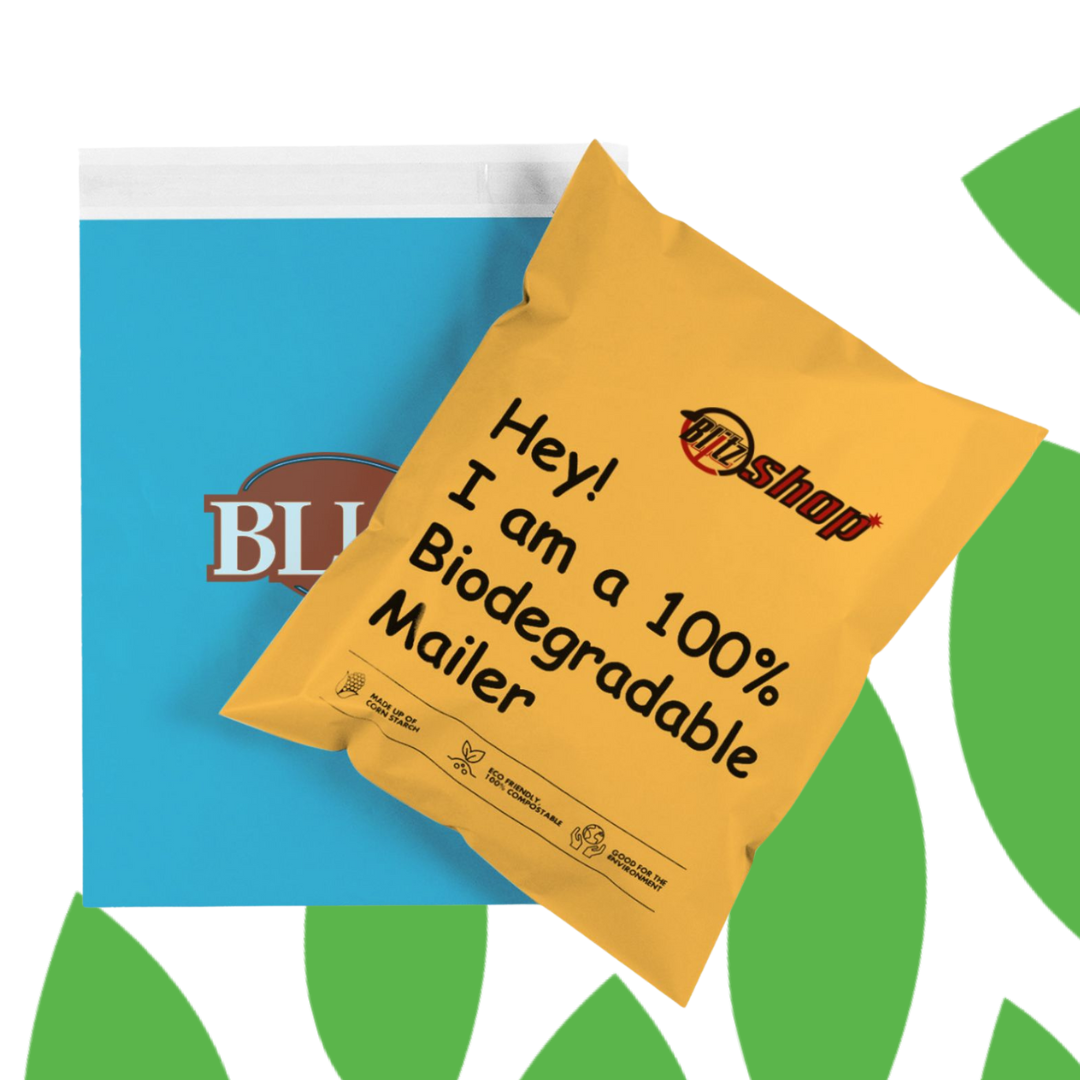
Compostable food wrap and mailers
Compostable courier satchels
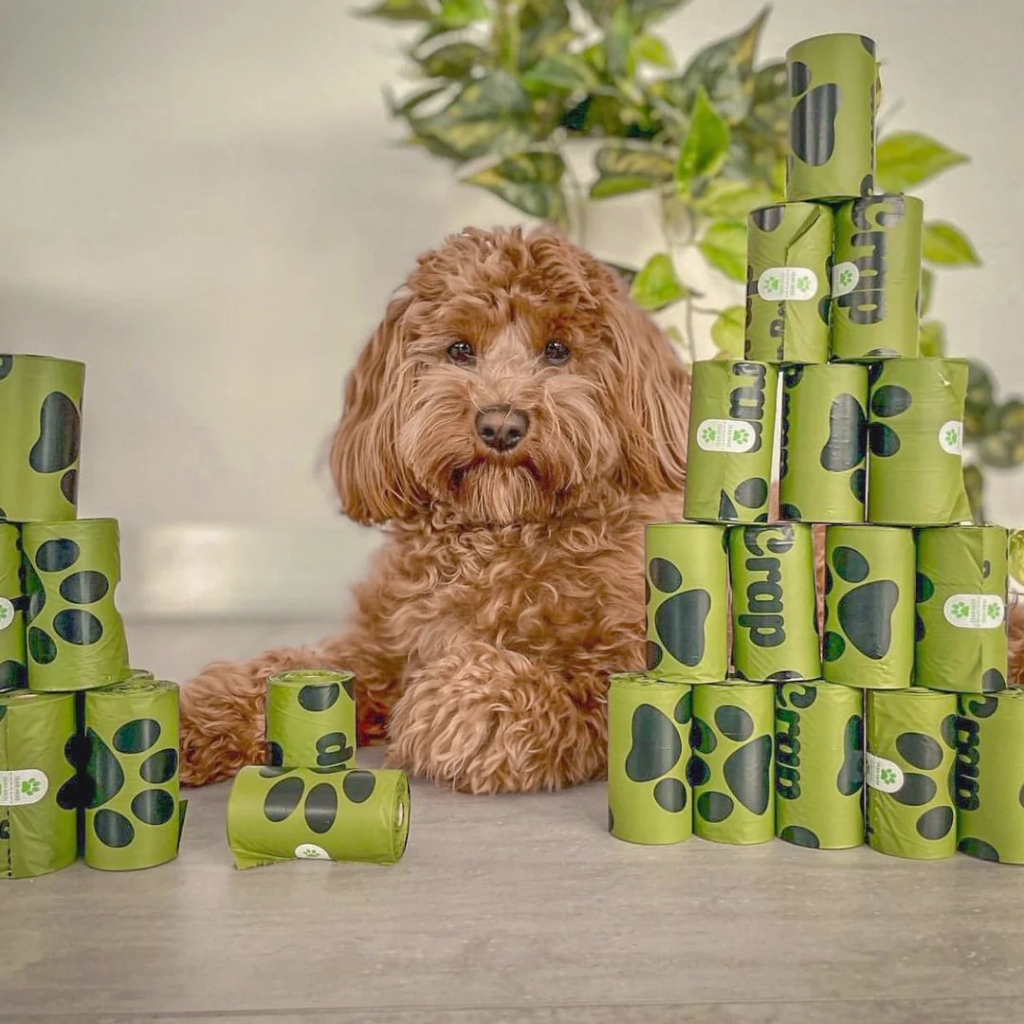
Compostable dog waste bags
Biodegradable Products
Biodegradable products can be made from either organic materials or conventional plastic with additives that help them break down faster. While they do degrade with the help of microorganisms, the process is slower and the end result isn’t always harmless.
Breakdown process: Can occur in landfills or natural environments, but often over the years.
End result: May leave behind microplastics or toxins.
Timeframe: Varies widely from months to several years.
In short, biodegradable simply means it will eventually break down. Compostable means it breaks down quickly and safely.
Why does this matter for brands?
Choosing the right materials for your branded merchandise or packaging isn’t just about ticking the “eco” box—it’s about walking your sustainability talk. Here’s why going compostable could be the smarter move:
Clear Messaging: Compostable items are easier to communicate to your audience. You can proudly say, “This bag turns to compost.”
Lower Environmental Impact: Compostable products fully return to the earth without leaving residue behind.
Positive Brand Perception: Conscious consumers are looking for brands that take sustainability seriously. Choosing compostable materials helps you stand out.
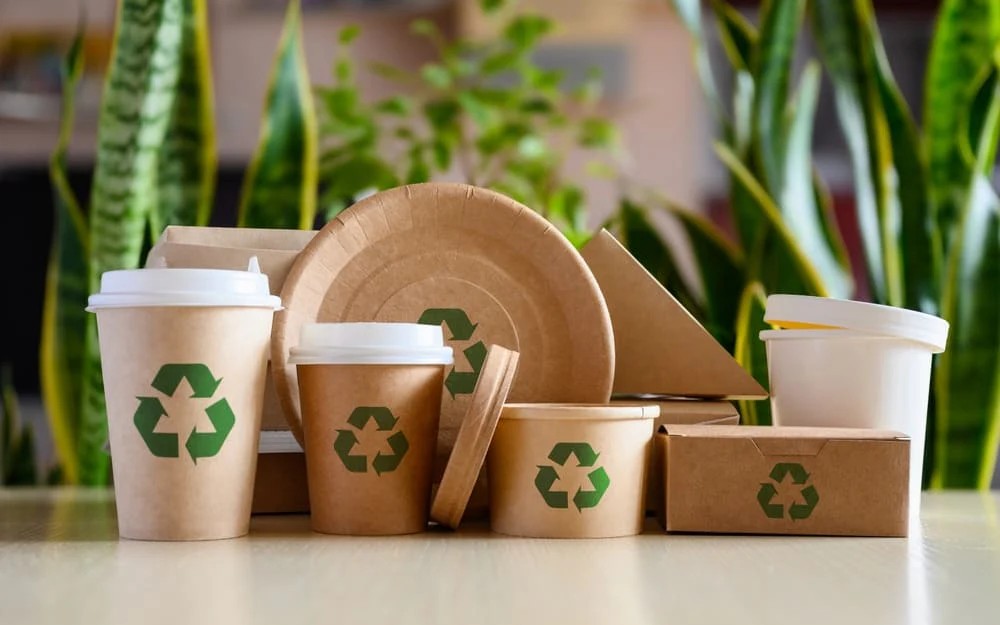
Swap plastic for compostable: Replace courier satchels, packaging wrap, and waste bags with certified compostable alternatives.
Educate your audience: Use your brand voice to explain the benefits of compostable vs biodegradable.
Lead by example: From event giveaways to eCommerce mailers, choose promotional products that support a healthier planet.
Let Flourish Help!
Not sure where to start? We can help you select the right products, packaging, and solutions to match your brand goals and sustainability commitments. Whether you need branded compostable satchels, reusable notebooks, or eco-focused merch kits, we’ve got the expertise and supplier network to make it happen.
Ready to make your next campaign more sustainable? Enquire now and let’s create something better for the planet.